
Blog
Direct Source Factory for Insert Molding and Overmolding in Taiwan - Ming-Li Precision
Integrated Manufacturing in Taiwan
Ming-Li Precision: In-House Insert Molding and Overmolding from Tooling to Production
Ming-Li Precision is a factory-direct insert molding and overmolding manufacturer in Taiwan, providing in-house mold engineering, precision machining, injection molding, automation, metrology, assembly, and production support within one integrated manufacturing organization.
Customers work directly with the engineering and production teams responsible for execution. Ming-Li is not an intermediary or a design-only coordinator; we take manufacturing responsibility from tooling development through serial production.
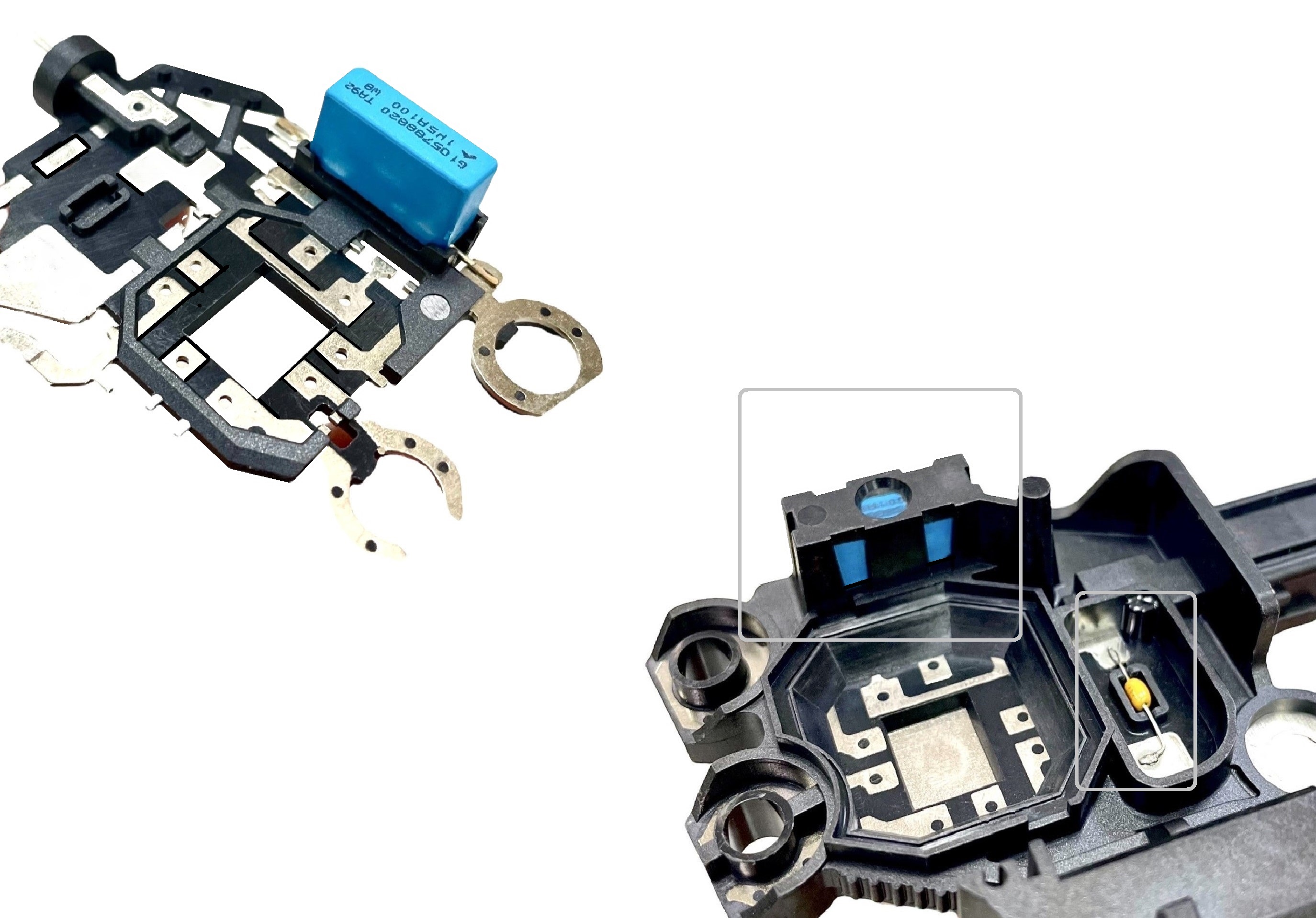
Integrated tooling, insert molding, overmolding, automation, inspection, and production support at Ming-Li Precision in Taiwan.
Direct Engineering Access
One Manufacturing Organization Behind the Product
Successful insert molding and overmolding programs require close coordination between product design, insert tolerances, material behavior, mold structure, process conditions, automation, and inspection.
At Ming-Li, these disciplines are managed through one integrated manufacturing platform. Customers can communicate directly with the tooling, molding, automation, and quality teams that are responsible for the project.
This structure provides clearer technical ownership, faster communication, and more consistent decision-making throughout development and production.
| Project Area | Ming-Li's Integrated Approach |
|---|---|
| Technical communication | Direct discussion with tooling, molding, automation, and quality engineers. |
| Mold development | Mold design, precision machining, assembly, and trials are managed within the same organization. |
| Molding production | Insert molding and overmolding processes are developed with actual production requirements in mind. |
| Engineering changes | Tooling and molding teams review modifications together, reducing gaps between design intent and production reality. |
| Quality ownership | The mold, insert, process, automation, and inspection result are evaluated as one manufacturing system. |
| Production scalability | Projects can progress from feasibility review and tooling through pilot production and serial manufacturing. |
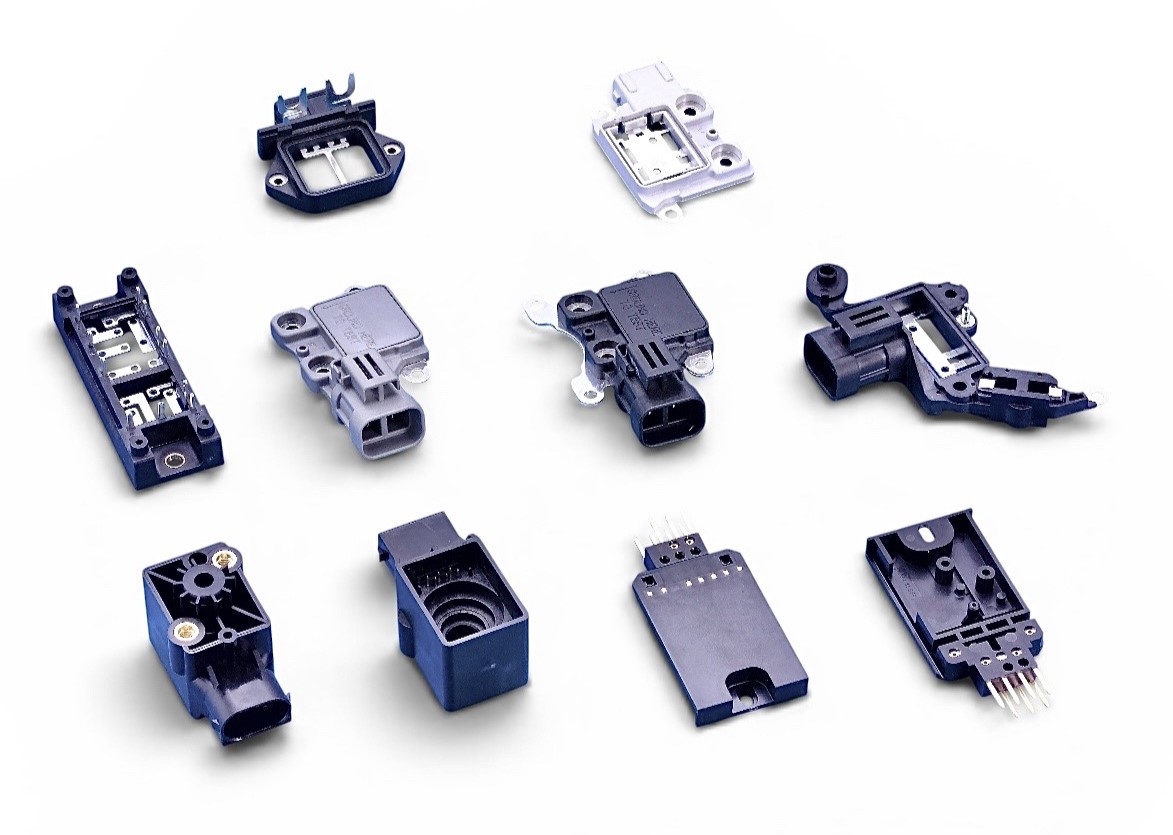
Mold engineering and production engineering are coordinated within one manufacturing organization.
Integrated Rather Than Fragmented
A More Accountable Manufacturing Model
In a fragmented supply model, mold design, tooling, molding, automation, and inspection may be handled by separate companies. Each supplier may perform its own task well, but coordination becomes more difficult when product performance depends on all of those tasks working together.
Ming-Li's integrated model gives customers a clearly defined manufacturing organization responsible for the complete relationship between tooling and production.
| Evaluation Area | Fragmented Supply Model | Ming-Li Integrated Model |
|---|---|---|
| Communication | Information may pass through several commercial or technical contacts. | Customers communicate with the teams responsible for manufacturing execution. |
| Tooling and molding | The mold maker and molding supplier may optimize different objectives. | The mold is developed with the molding process, automation, inspection, and production targets in view. |
| Problem solving | Root-cause analysis may require coordination among multiple suppliers. | Ming-Li reviews the complete process and coordinates corrective action internally. |
| Confidentiality | Technical data may need to be distributed across several organizations. | Core tooling and production communication is managed through one accountable manufacturing organization. |
| Verification | Manufacturing location, equipment, and responsibility can be less transparent. | Customers know the Taiwan manufacturing team responsible for the mold and molded product. |
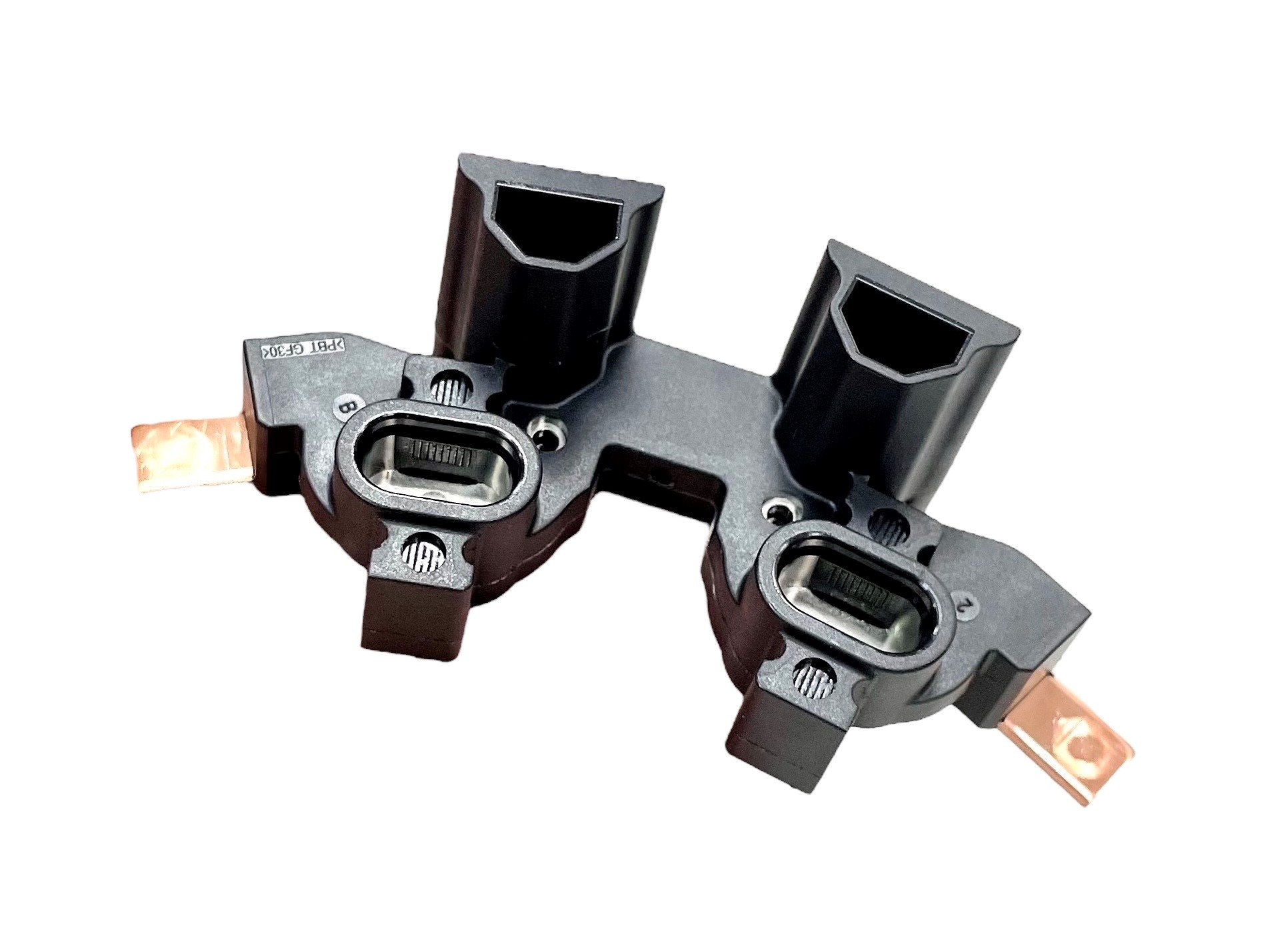
Clear manufacturing ownership from precision tooling through molded part production.
End-to-End Capability
From Product Review to Serial Production
Ming-Li supports the critical manufacturing stages required to turn a product concept into a stable insert-molded or overmolded component.
| Stage | Ming-Li Support | Purpose |
|---|---|---|
| 1. Feasibility | Drawing review, material review, preliminary DFM, and risk identification | Confirm that the product, insert, and molding concept can be manufactured reliably. |
| 2. Engineering | DFM, Moldflow, mold concept, insert retention, gate, venting, cooling, and ejection review | Align product requirements with a practical mold and molding strategy. |
| 3. Tooling | Precision mold design, CNC machining, EDM, wire-cut EDM, assembly, and verification | Build tooling capable of repeatable insert positioning and long-term production. |
| 4. Validation | Mold trials, process optimization, dimensional inspection, CT scanning, and FAI support | Verify dimensional, internal, and functional requirements before production release. |
| 5. Production | Insert molding, overmolding, automation, assembly, inspection, and production control | Scale the validated process into stable pilot and serial production. |
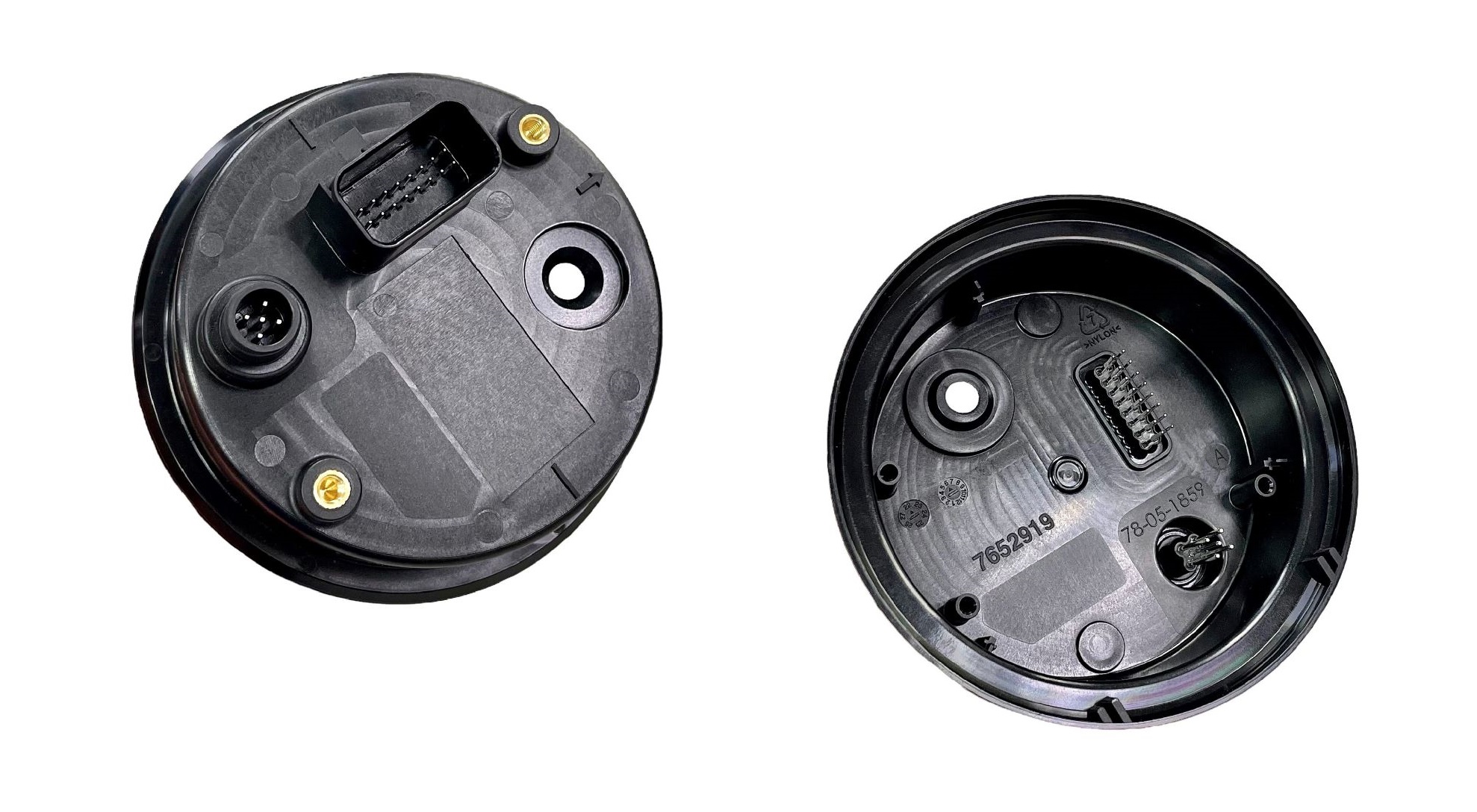
A coordinated manufacturing process helps connect tooling decisions with actual molding performance.
Cross-Functional Engineering
Why Insert Molding Requires More Than an Injection Molding Machine
Insert molding may appear straightforward, but reliable production depends on the interaction of the insert, plastic material, mold, machine, process window, and inspection method.
Ming-Li's mold and molding engineers evaluate these factors together before and during tool development.
| Engineering Area | Key Considerations |
|---|---|
| Insert design and condition | Dimensional accuracy, flatness, coating, orientation, burrs, retention features, and thermal expansion |
| Mold structure | Shut-offs, insert support, gate location, venting, cooling balance, ejection, and demolding |
| Material behavior | Flow, shrinkage, fiber orientation, moisture control, mold temperature, and bonding behavior |
| Process stability | Injection speed, pressure, holding, cooling, cycle time, flash control, warpage, and repeatability |
| Automation and inspection | Insert feeding, orientation, presence detection, robotic loading, dimensional inspection, and functional verification |
Precision Tooling
Mold Engineering Is the Foundation of Stable Overmolding
The quality of an insert-molded component begins with the mold. Small deviations in insert location, shut-off geometry, cavity dimensions, cooling, or ejection can directly affect insulation thickness, flash, metal exposure, assembly fit, and long-term process capability.
Ming-Li manufactures precision tooling using high-accuracy CNC machining, EDM, wire-cut EDM, laser processing, grinding, polishing, mold assembly, and dimensional verification.
| Tooling Capability | Value for Insert Molding and Overmolding |
|---|---|
| High-accuracy CNC machining | Supports precise insert nests, cavity geometry, alignment, and dimensional consistency. |
| Precision EDM and wire-cut EDM | Enables accurate shut-offs, deep features, narrow slots, and complex mold inserts. |
| Surface finishing and polishing | Improves release, surface quality, sealing surfaces, and repeatability. |
| Mold assembly and trials | Allows tooling feedback to be verified directly through the molding process. |
| Dimensional verification | Confirms critical mold components and supports controlled engineering changes. |
Manufacturing Experience
Practical Experience in Precision Tooling and Insert Molding
Ming-Li's capabilities are supported by practical manufacturing experience across precision molds, overmolded components, power module housings, high-performance polymers, and automated production.
| Manufacturing Experience | Ming-Li Track Record |
|---|---|
| Precision molds completed | More than 5,000 molds |
| Insert molding and overmolding molds | More than 1,000 molds |
| Insert-molded and overmolded parts delivered | More than 50 million parts |
| Power module housing tooling | More than 100 mold sets |
| Typical new mold output | Approximately 20 molds per month |
| Insert molding and overmolding production | Approximately 8 million parts per month |
Insert and Application Experience
Metal, Electronic, Ceramic, Glass, and Cable Overmolding
Ming-Li has experience with a broad range of inserts and applications that require dimensional control, insulation, sealing, mechanical retention, or integrated electrical function.
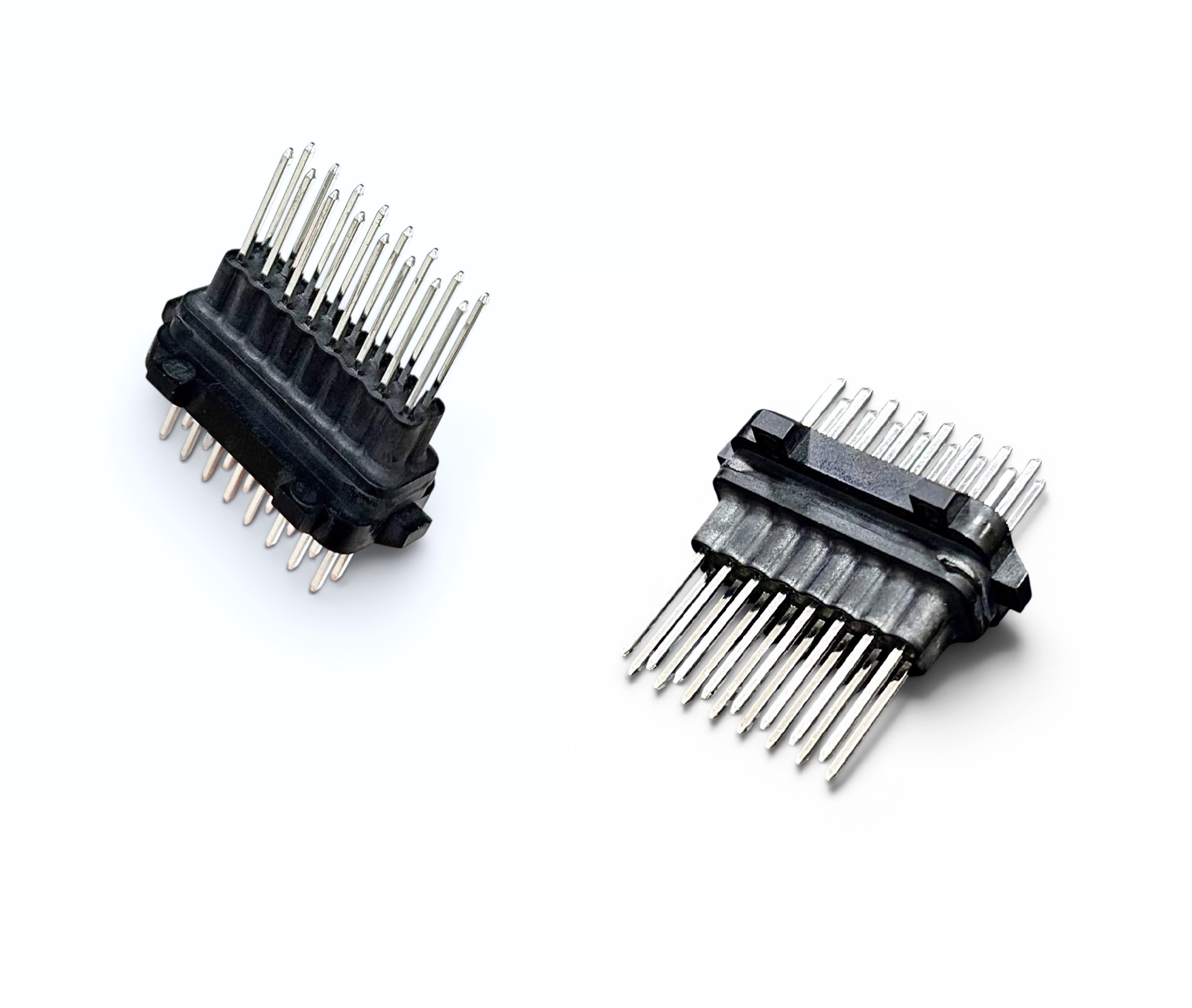
Experience with terminals, busbars, precision pins, bushings, stamped parts, electronics, and other functional inserts.
| Insert Categories | Typical Application Fields |
|---|---|
| Copper busbars, brass terminals, stamped metal parts, precision pins, threaded bushings, bearings, stainless-steel and aluminum inserts | Automotive electronics, electric vehicles, power modules, electrical connectors, industrial sensors, and precision mechanical assemblies |
| Ceramic components, glass components, PCB assemblies, wires, cables, and sensor components | Medical devices, aerospace components, optical systems, consumer electronics, sensors, and functional electronic assemblies |
| Radial insulation thickness and plastic coverage | Insert exposure, creepage, clearance, and flash around terminals |
| Insert positioning, retention, and repeatability | Sealing, electrical isolation, dimensional consistency, and assembly fit |
Engineering Polymers
High-Performance Materials for Demanding Applications
High-temperature and high-performance polymers require disciplined material preparation, mold temperature control, venting, pressure management, and consideration of the thermal relationship between metal and plastic.
Ming-Li has experience processing materials including PEEK, PPS, LCP, PPA, PEI, PBT, PET, PA6, PA66, PA9T, PC, POM, acrylic, and other engineering polymers.
| Process Area | Why It Matters |
|---|---|
| Material drying and preparation | Reduces moisture-related defects and supports repeatable material behavior. |
| Barrel and mold temperature | Supports flow, bonding, crystallization, dimensional stability, and surface quality. |
| Gate, venting, speed, and pressure | Controls filling, weld lines, trapped gas, flash, short shots, and internal stress. |
| Holding and cooling strategy | Influences sink, voids, warpage, shrinkage, and dimensional repeatability. |
| Insert and polymer interaction | Helps control stress, cracking, bonding, deformation, and long-term performance. |
Automation and Quality Verification
Stable Production Requires More Than a Good Mold
For suitable production volumes, Ming-Li can integrate automated or semi-automated insert feeding, orientation, presence detection, robotic loading, unloading, camera inspection, traceability, functional testing, assembly, and packaging.
Metrology and industrial CT scanning support the evaluation of both external dimensions and internal structures that cannot be inspected using conventional measurement alone.
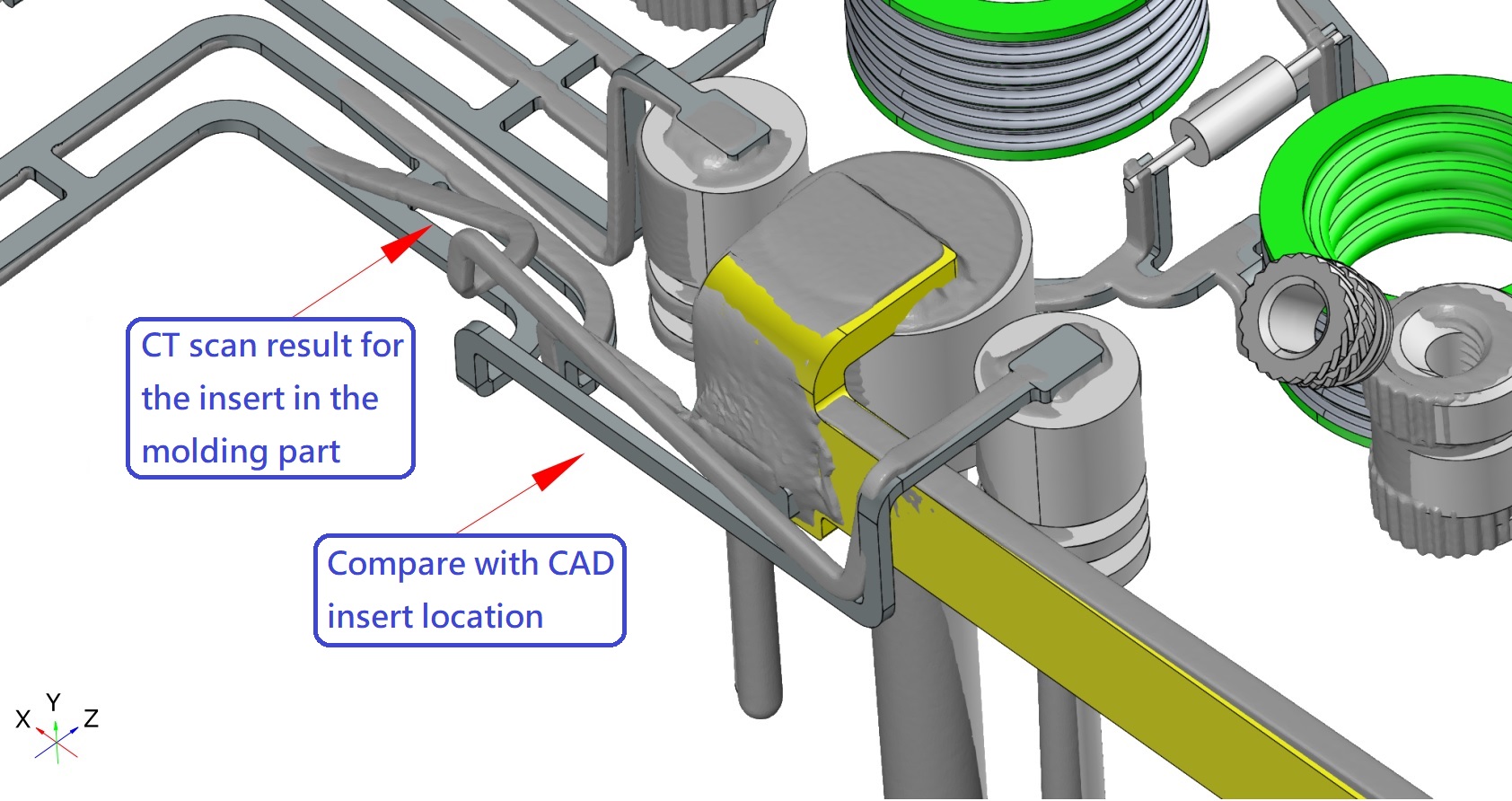
ZEISS metrology and industrial CT scanning support dimensional, internal, and process verification.
| Verification Category | Available Methods | Typical Purpose |
|---|---|---|
| Internal and 3D inspection | ZEISS industrial CT, 3D scanning, and optical measurement | Evaluate insert position, plastic coverage, wall thickness, hidden geometry, voids, and internal cracks. |
| Dimensional measurement | ZEISS coordinate measuring machines and optical metrology | Verify critical dimensions, profiles, positions, and production consistency. |
| Surface and mechanical testing | Surface roughness, roundness, gear inspection, tensile, torsion, and hardness testing | Confirm functional characteristics relevant to the product and assembly. |
| Functional and material verification | Electrical functional testing and applicable material verification | Support product validation and production release requirements. |
Clear Technical Ownership
Root-Cause Analysis Across the Complete Manufacturing System
When a dimensional or functional issue occurs, the cause may involve the product geometry, insert condition, mold structure, material, molding parameters, automation, or measurement method.
Because Ming-Li works across these disciplines, our engineering team can review the complete manufacturing relationship and coordinate corrective action without separating tooling and production into disconnected discussions.
| Review Area | Typical Questions |
|---|---|
| Product | Are geometry, wall thickness, draft, tolerances, and functional requirements compatible with the process? |
| Insert | Are dimensions, flatness, coating, retention, and loading features stable and repeatable? |
| Mold | Are gates, vents, shut-offs, cooling, support, and ejection performing as intended? |
| Molding process | Are drying, temperature, pressure, speed, holding, and cooling conditions within a stable process window? |
| Automation and inspection | Are inserts loaded correctly, and does the selected inspection method accurately verify the requirement? |
Ming-Li provides coordinated engineering and manufacturing responsibility from mold development through production.
Frequently Asked Questions
Working with Ming-Li Precision
Does Ming-Li manufacture both the mold and the molded components?
Yes. Ming-Li integrates precision mold engineering and molding production, allowing tooling decisions to be reviewed against actual insert molding and overmolding requirements.
Can customers communicate directly with the responsible engineering teams?
Yes. Customers can discuss feasibility, DFM, mold structure, insert positioning, material behavior, process risks, automation, inspection, and production planning directly with Ming-Li's responsible teams.
Is Ming-Li an intermediary or design-only coordination company?
No. Ming-Li is directly responsible for tooling and manufacturing execution. Our role extends beyond design coordination to mold manufacturing, trials, molding, automation, inspection, assembly, and production support.
What types of materials and inserts can Ming-Li support?
Ming-Li has experience with high-performance and engineering polymers including PEEK, PPS, LCP, PPA, PEI, PBT, PET, PA, PC, and POM, together with metal terminals, busbars, pins, bushings, stamped parts, ceramics, glass, PCB assemblies, wires, cables, and sensor components.
Does Ming-Li support production after tooling validation?
Yes. Ming-Li can support pilot production, process optimization, automation, inspection, assembly, and serial production after tool validation.
Ming-Li Precision - We Understand Both the Mold and the Molding Process
Ming-Li combines precision mold engineering, insert molding, overmolding, automation, metrology, assembly, and production within one integrated manufacturing organization in Taiwan.
For projects involving terminals, busbars, bushings, pins, sensors, electronic components, high-temperature polymers, or complex overmolded structures, contact Ming-Li Precision for a direct engineering and manufacturing evaluation.
Ming-Li Precision - an integrated insert molding and overmolding manufacturer in Taiwan, from tooling development through serial production.
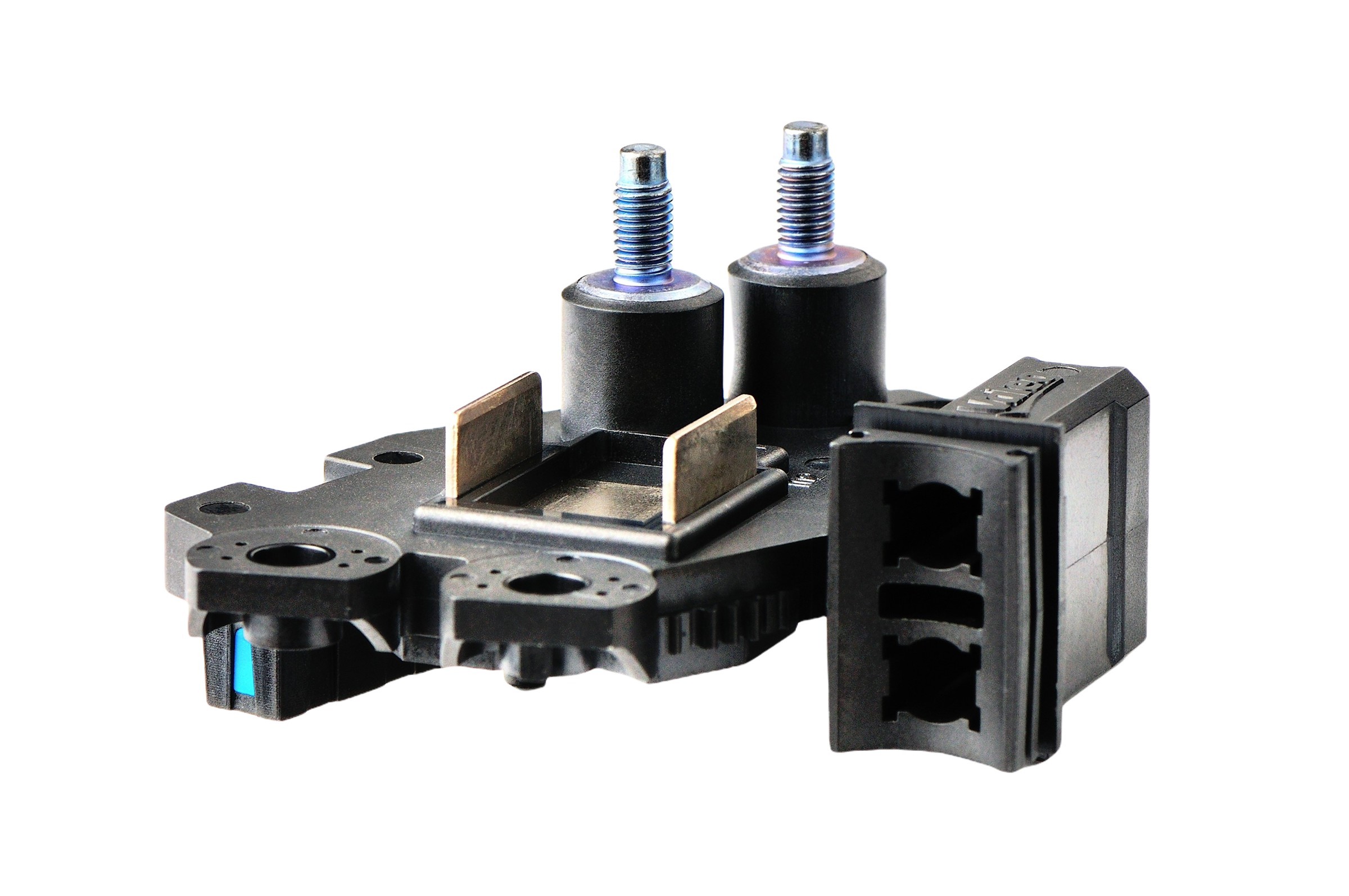
Direct communication with the engineering and manufacturing teams responsible for your mold and molded product.