
Precision Gear Mold & Tooling
Precision Gear Mold & Precision Gear Tooling
Ming-Li Precision specializes in Precision Gear Mold and Precision Gear Tooling for demanding transmission applications requiring low runout, stable backlash, precise tooth geometry, ultra-low noise, and long-term dimensional repeatability.
Supported by YASDA ±1 μm ultra-precision machining, GF AgieCharmilles EDM & Wire Cut technology, and dedicated gear rolling validation capability, Ming-Li develops precision plastic gear mold solutions for automotive, robotics, AI server cooling systems, industrial automation, medical devices, and miniature transmission applications.
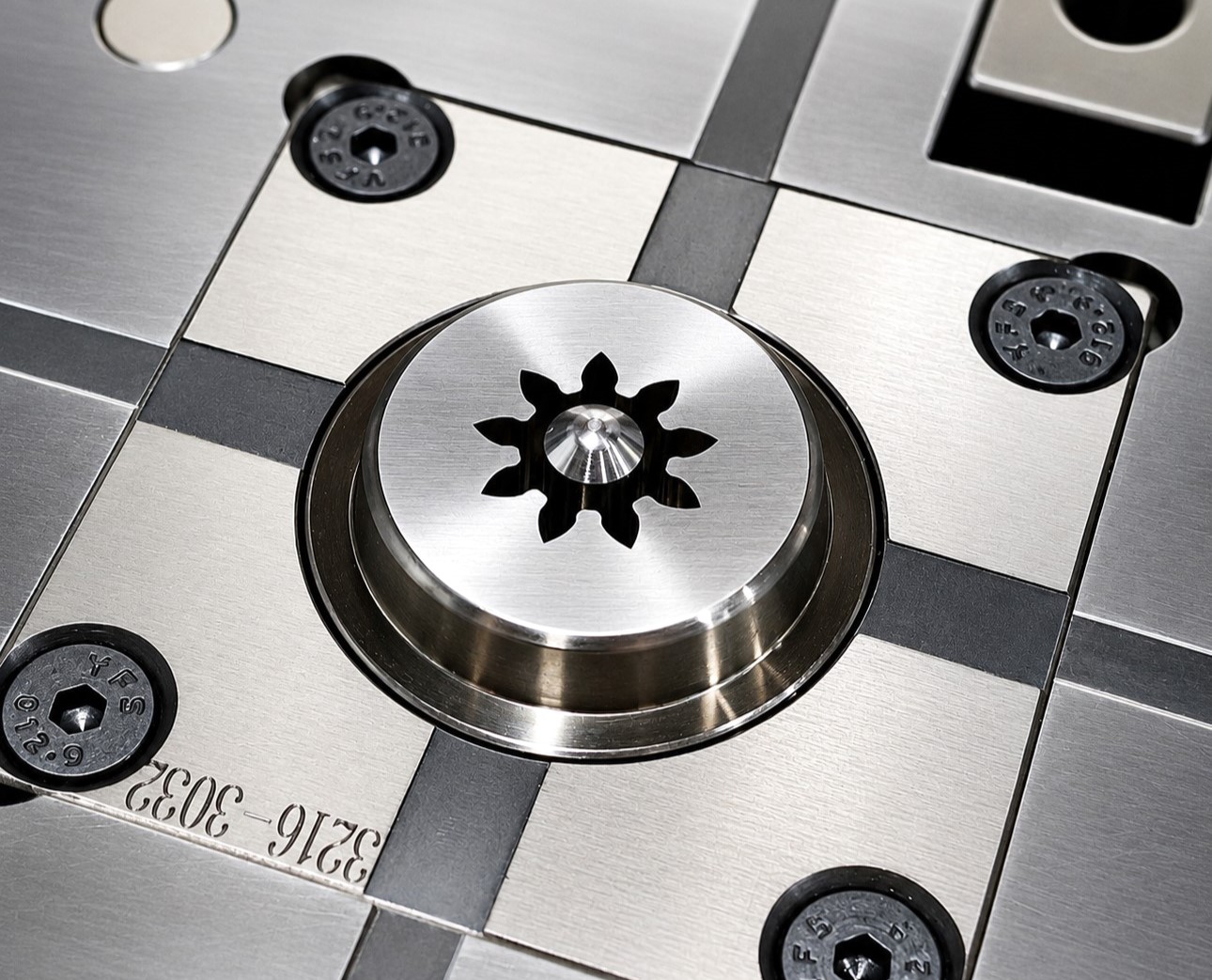
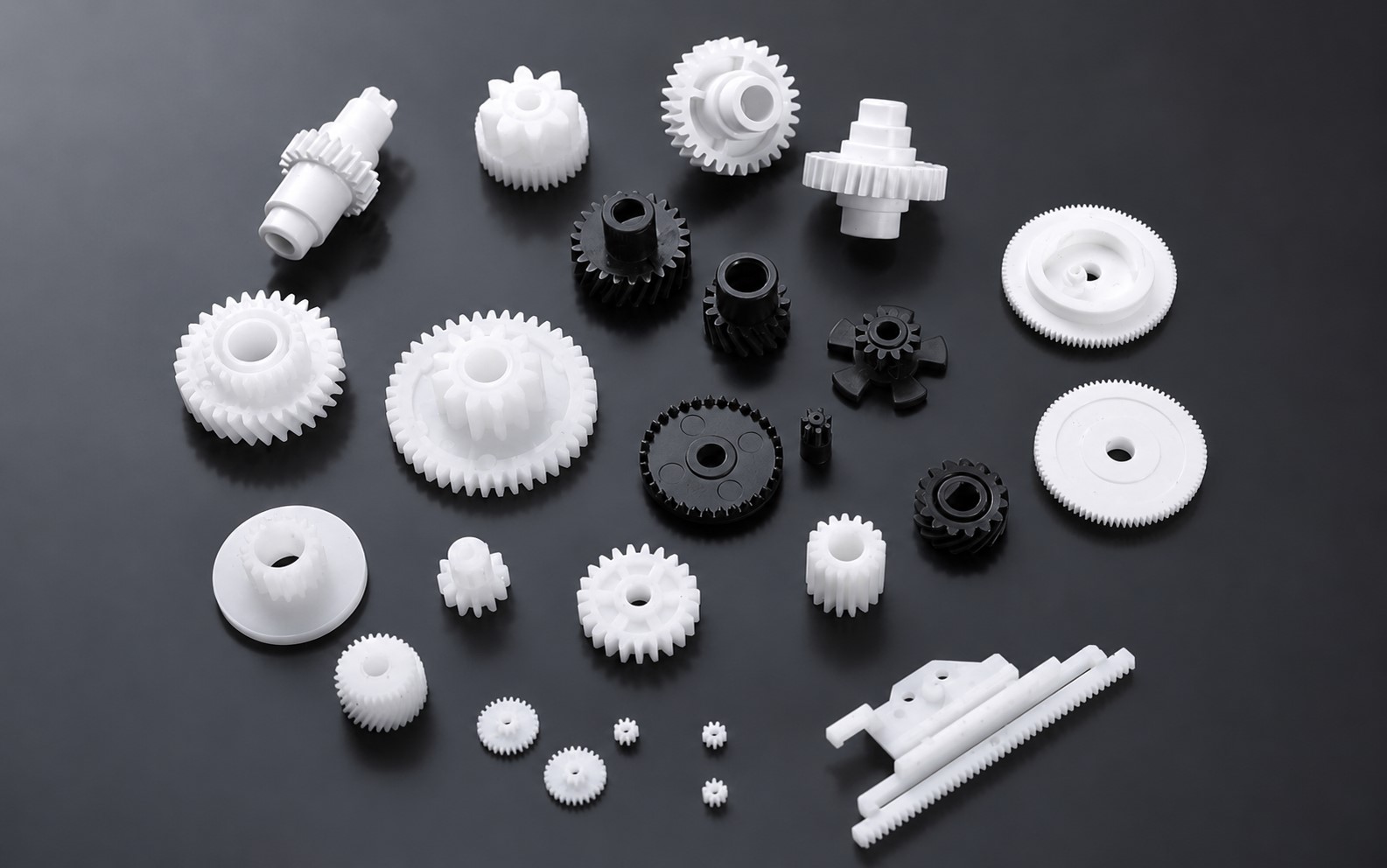
What Is a Precision Gear Mold?
A Precision Gear Mold is a specialized injection mold engineered for manufacturing high-accuracy plastic gears requiring tooth profile accuracy, pitch consistency, concentricity, runout control, backlash stability, low-noise meshing, wear consistency, and long-term dimensional repeatability.
Unlike standard injection molds, Precision Gear Tooling must compensate for complex molding behaviors including material shrinkage, tooth deformation, thermal variation, and gear meshing performance.
- Tooth profile accuracy
- Pitch consistency
- Concentricity
- Runout control
- Backlash stability
- Low-noise meshing
- Wear consistency
- Long-term repeatability
Why Precision Gear Mold Is Difficult
Developing a precision gear mold is substantially more challenging than conventional injection mold manufacturing. Unlike cosmetic plastic parts, gear components must function as a transmission system where every tooth matters.
Even extremely small deviation in tooth profile, concentricity, pitch, runout, backlash, or shrinkage may result in abnormal noise, vibration, poor meshing, premature wear, torque loss, or assembly failure.
Tooth Profile Accuracy
Microscopic involute profile deviation may cause unstable meshing, vibration, gear noise, and accelerated wear.
Concentricity & Runout Control
Ultra-precision cavity alignment and shaft center control improve rotational stability and reduce eccentric movement.
Flash & Burr Prevention
Precision shut-off engineering and micron-level tooling control reduce flash risk around critical gear tooth surfaces.
Asymmetric Shrinkage Compensation
High-crystalline polymers such as POM, PA66, PPS, and PEEK exhibit non-uniform shrinkage across tooth thickness, root geometry, and hub structures. Ming-Li applies DFM, Moldflow analysis, and asymmetric tooth profile compensation tooling to support accurate molded involute geometry.
Backlash Stability
Stable backlash control improves rotational accuracy, transmission efficiency, and long-term meshing consistency.
AI Server Gear Noise Optimization
Critical for high-RPM AI server cooling fans, micro pumps, and automotive actuators. Precision involute tooth profile compensation minimizes vibration, transmission noise, torque fluctuation, and energy loss in compact high-speed gear systems.
Common Challenges in Precision Gear Mold Development
| Critical Challenge | Typical Supplier Risk | Ming-Li Precision Solution |
|---|---|---|
| Tooth profile deviation | Noise & poor meshing | Precision involute gear cavity compensation |
| Gear runout | Vibration & eccentric rotation | Concentric mold cavity engineering |
| Gear noise | Unstable meshing & customer complaints | Precision involute tooth compensation and backlash optimization |
| Flash on gear teeth | Transmission interference | Ultra-precision shut-off control |
| Gear concentricity | Uneven rotation & vibration | Ultra-precision cavity alignment and shaft center control |
| Asymmetric material shrinkage | Pitch error and involute distortion | DFM, Moldflow-supported compensation, and asymmetric tooth profile correction |
| Micro / small-module gear complexity | Manufacturing difficulty | Ultra-precision tooling capability for selected small-module gear applications |
Why Engineers Choose Ming-Li for Precision Gear Tooling
Ming-Li combines YASDA ultra-precision machining, GF AgieCharmilles EDM & Wire Cut, precision gear mold cavity engineering, gear dimensional validation, double flank gear rolling test capability, DFM & Moldflow-supported optimization, and automotive-grade manufacturing quality.
This integrated capability allows Ming-Li to support micro gear mold, low runout gear mold, small module gear mold, ultra low noise plastic gear tooling, and precision plastic gear mold projects for demanding applications.
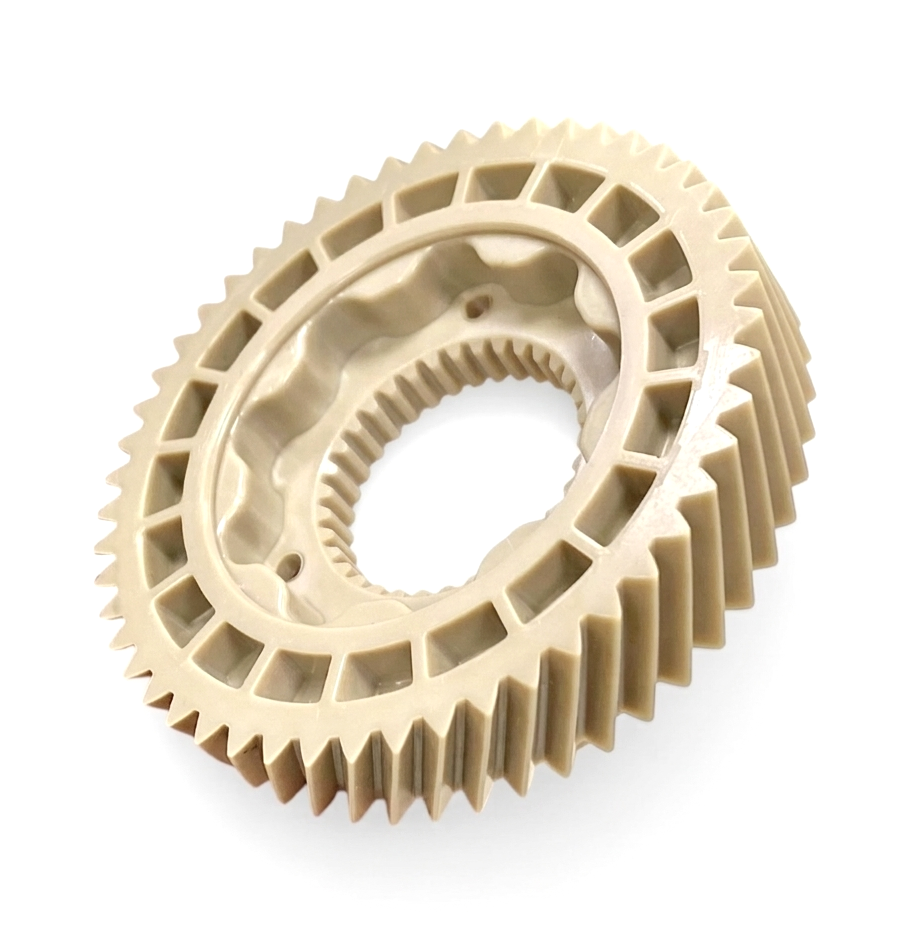
Gear Accuracy & DIN Capability
Precision plastic gears require careful balance between mold precision, material behavior, cavity compensation, and process stability. Ming-Li validates gear performance through dedicated double flank gear rolling testing, radial runout inspection, and tooth profile evaluation to support precision plastic gears up to DIN 6 level for selected applications.
Because plastic gears involve molding shrinkage and thermal behavior, achievable gear precision is evaluated case by case according to gear geometry, module, material selection, and engineering requirements.
DFM & Moldflow
Gear Mold Design
±1 μm Tooling
Gear Validation
Production Support
Precision Gear Mold vs Standard Mold
| Category | Precision Gear Mold | Standard Mold |
|---|---|---|
| Dimensional Requirement | Extremely high | Standard |
| Tooth Geometry | Functional transmission geometry | Cosmetic / general geometry |
| Runout Requirement | Critical | Standard |
| Shrinkage Compensation | Asymmetric tooth profile compensation required | Basic shrinkage scaling |
| Flash Tolerance | Extremely low around gear teeth | Medium |
| Gear Noise Sensitivity | High, especially for high-RPM fan and actuator gears | Low |
| Validation | Gear rolling / runout / dimensional inspection | Standard dimensional inspection |
| Tooling Complexity | Very high | Medium |
Applications of Precision Gear Tooling
Automotive Systems
Precision gears for actuators, HVAC systems, electronic parking systems, and transmission components supported by IATF 16949 compliant production.
AI Server Cooling Fan Gears
Ultra-low noise plastic gear tooling for high-RPM AI server fan gear mold applications, cooling fan mechanisms, thermal management modules, micro pumps, and compact actuator assemblies.
Robotics & Automation
Precision plastic gears requiring low backlash, stable meshing, and long-term durability for robotic systems.
Medical Devices
Miniature gear systems for precision actuators, dosing devices, surgical devices, and diagnostic equipment requiring consistent dimensional stability.
Micro Gear Applications
Ultra-small precision gears and small-module gear mold projects requiring high concentricity and low runout for miniature transmission systems.
E-Bike & Mobility
High-performance transmission gears, POM helical gear mold projects, motor reduction units, and motion control mechanisms requiring stable torque performance.
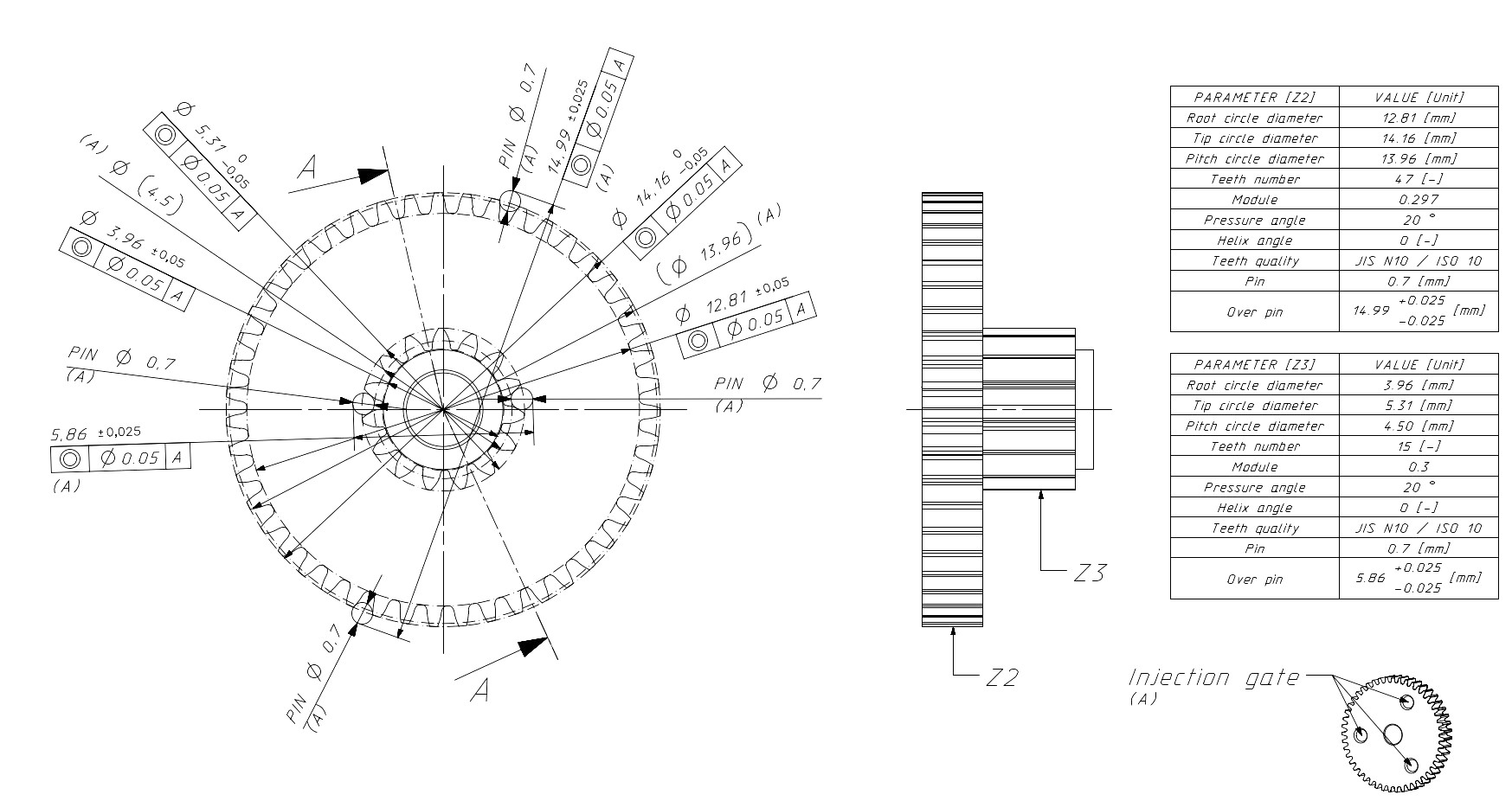
Frequently Asked Questions About Precision Gear Mold
What is a Precision Gear Mold?
A Precision Gear Mold is a specialized injection mold engineered for producing plastic gears requiring precise tooth geometry, concentricity, low runout, and stable transmission performance.
What is Precision Gear Tooling?
Precision Gear Tooling refers to highly engineered mold systems developed specifically for functional plastic gear components requiring tight dimensional control and consistent meshing accuracy.
What gear accuracy can Ming-Li support?
Depending on gear module, geometry, material selection, and validation requirements, Ming-Li can support precision plastic gear projects capable of achieving DIN 6 level accuracy for selected applications.
Is DIN 6 the limit for plastic injection gears?
DIN 6 represents an exceptionally high precision tier for as-molded plastic gears without secondary machining. Achieving DIN 6 level consistency requires rigorous control of gear tooth profile, cavity alignment, material shrinkage, mold temperature stability, and transmission validation. Ming-Li supports selected gear projects up to DIN 6 level depending on geometry, material, and application requirements.
What is the minimum gear module (M) Ming-Li can support?
Supported by in-house YASDA ±1 μm ultra-precision machining and GF AgieCharmilles wire-cut capability, Ming-Li supports micro gear mold development for selected small-module gear applications, with tooling capability extending to approximately M0.1–M0.2 depending on gear geometry, material selection, and performance requirements.
How does Ming-Li reduce gear runout?
Gear runout can be reduced through concentric mold cavity engineering, ultra-precision machining, cavity alignment, shaft center control, and stable tooling repeatability.
Can Ming-Li support micro gear mold development?
Yes. Ming-Li supports micro gear mold and miniature transmission systems requiring high precision and stable dimensional repeatability.
What materials are commonly used in precision plastic gears?
Common engineering materials include POM, PA66, PPS, PEEK, and LCP depending on wear resistance, strength, dimensional stability, and temperature requirements.
Does Ming-Li provide tooling-only projects?
Ming-Li primarily provides an integrated manufacturing solution combining precision tooling and in-house production support to ensure stable quality, dimensional consistency, and long-term tooling performance. For selected strategic projects, tooling-only discussions may be evaluated case by case.
Looking for Reliable Precision Gear Mold Solutions?
Ming-Li Precision supports customers from DFM review, gear mold engineering, Moldflow optimization, precision tooling development, gear validation, and long-term production support.
Contact Us